
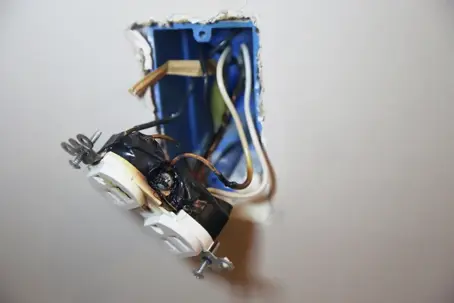
Tackling a home improvement project can be a rewarding way to personalize your space, but the systems hidden behind your drywall carry significantly higher stakes than a coat of paint. For many homeowners, the temptation to handle electrical tasks independently stems from a desire to save time, yet even minor errors in circuitry can lead to major safety hazards. Understanding the nuances of wiring and rewiring in Myrtle Beach is essential because our coastal environment and local building codes require a specific level of expertise to ensure long-term reliability.
Before you strip your next wire or mount a new junction box, it is vital to recognize where most DIY enthusiasts go astray. Electrical work isn't just about making a light turn on; it’s about ensuring the load is balanced, the connections are secure, and the entire system is grounded against potential failures.
1. Using the Wrong Wire Size
One of the most common mistakes is using the wrong gauge of wire for a circuit's amperage. If a wire is too thin for the amount of current flowing through it, the metal will overheat. Over time, this heat can melt the insulation and spark a structure fire. Every circuit in your home is designed to handle a specific load, and mismatched components are a recipe for disaster that often goes unnoticed until it is too late.
2. Overcrowding Junction Boxes
It might seem efficient to tuck as many wires as possible into a single plastic or metal box, but overcrowding is a serious technical error. Tight spaces cause physical damage to the wire casing and prevent proper heat dissipation. Professional installations follow strict volume requirements to ensure every connection has breathing room, reducing the risk of short circuits and making future maintenance much safer.
3. Skipping GFCI Protection
In our coastal region, moisture and humidity are constant factors that influence electrical safety. A common DIY oversight is failing to install Ground Fault Circuit Interrupter (GFCI) outlets in high-moisture areas like kitchens, bathrooms, and outdoor patios. These devices are designed to shut off power instantly if they detect a leak, preventing lethal shocks. Skipping these installations leaves your family vulnerable to avoidable accidents.
4. Leaving Wires Unprotected
Wires should never be left exposed or "daisy-chained" outside of a protective conduit or junction box. In attics or crawlspaces, DIYers often leave connections hanging, which makes them susceptible to damage from pests or accidental contact. A professional ensures that every inch of your electrical path is shielded and secured in accordance with the National Electrical Code.
5. Reversing Polarity
Connecting a hot wire to a neutral terminal is a common mistake that can make an appliance or fixture "live" even when it is turned off. This creates a significant shock hazard for anyone who comes into contact with the device. Our master electricians use specialized testing equipment to ensure that every outlet and switch is properly phased, providing peace of mind for you and your family.
Professional Solutions for Your Home
While painting a room or installing shelves are great weekend tasks, your electrical foundation deserves a professional touch. At Wired SC, we bring over 20 years of hands-on experience to every project, ensuring your home remains a safe haven. We specialize in identifying legacy wiring issues and providing modern solutions that meet the highest national safety standards.
If you suspect a previous DIY attempt or that an older home’s electrical system needs a professional eye, don't wait for a flicker to turn into a failure. Reach out to the family-owned team at Wired SC by calling (843) 938-2657 to schedule a comprehensive safety inspection or a professional upgrade today.